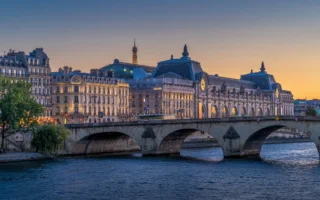

Why luxury city breaks are booming (and how peak season changes the game)
A luxury city break is the sweet spot between spontaneity and indulgence: three days of iconic sights, great food, and memorable experiences—without the logistics of a long-haul trip. The challenge is that peak season (summer weekends, holiday weeks, major events) compresses availability and pushes prices upward.
The good news: “high-end” doesn’t have to mean “wasteful.” With a smarter plan, you can lock in prime hotel rooms, hard-to-get reservations, and smooth transfers while still keeping control of your budget. The key is to treat your 3-day escape like a curated project: define your non-negotiables, then build everything else around them.
Peak season rewards decisive travelers. The earlier you confirm your essentials, the more choices you keep—especially for boutique hotels, Michelin-star dining, and timed-entry attractions that sell out fast.
Pick the right city and timing for a 3-day high-end escape
The best luxury city breaks share two traits: easy access and a dense “wow” factor. You want minimal transit time, a strong food scene, a few standout cultural anchors, and neighborhoods you’ll enjoy simply wandering through.
In peak season, timing matters as much as the destination. A Thursday-to-Saturday trip often feels calmer than Friday-to-Sunday, and early morning arrivals let you steal a half-day before crowds build. Also, check local calendars for fashion weeks, major concerts, or sports finals—these can double hotel rates overnight.
Think in micro-seasons. Early summer can feel exclusive, while late summer can be crowded and hot. Shoulder-week choices within peak months (for example, the week after a major holiday) can deliver the same weather with fewer queues.
- Best for culture: Paris, Vienna, Florence, Madrid
- Best for modern luxury: Copenhagen, Zurich, Dubai, Singapore
- Best for food-first weekends: Barcelona, Lisbon, London, Tokyo
- Best for “views + vibes”: Rome, Istanbul, New York, Hong Kong
Book the big-ticket essentials first: flights, hotel, and transfers
For a 3-day luxury itinerary, your hotel is the backbone. Prioritize location over room size: being walkable to your “must” neighborhoods saves time, avoids traffic stress, and makes last-minute spontaneity possible. In peak season, aim to book 6–10 weeks out for major capitals, earlier if there’s a high-profile event.
When comparing high-end stays, don’t stop at the star rating. Look for soundproofing, 24-hour concierge, and reliable air conditioning in hot cities. If you’re celebrating something, message the hotel in advance—many properties can arrange upgrades, welcome amenities, or a better room allocation when they know the context.
Transfers are the invisible luxury. A pre-booked car from airport to hotel can turn a hectic arrival into a calm start. If you’d rather optimize cost, book a premium train class and a short taxi ride on arrival; it often feels just as polished in well-connected cities.
Build a high-end itinerary that feels effortless, not overpacked
Three days disappear quickly. The most satisfying luxury city breaks use a simple structure: one “anchor” experience per day, plus flexible space for wandering, shopping, or a long lunch that turns into an afternoon.
Pre-book only what sells out: museum timed entries, limited tours, and dinner at in-demand restaurants. Leave breathing room for hotel spa time, a cocktail bar recommendation, or a neighborhood you discover on foot. Luxury often feels like having options, not obligations.
| Day | Anchor plan | Flexible luxury add-on |
|---|---|---|
| Day 1 | Check-in + signature neighborhood walk | Rooftop bar or jazz lounge |
| Day 2 | Top museum or landmark (timed entry) | Private-style food tour or tasting menu |
| Day 3 | Late brunch + scenic viewpoint | Hotel spa, boutique shopping, gallery stop |
If you want one premium splurge, choose the experience that’s hardest to replicate at home: a chef’s counter, a private after-hours museum slot, or a curated wine pairing in a historic cellar.
Peak-season hacks: upgrades, reservations, and saving without feeling cheap
Luxury planning is part psychology: you’re paying for calm. Start by bundling value where it’s invisible—choosing a smaller but better-located room, traveling carry-on only to skip baggage delays, and booking early dining slots to avoid the loudest rush.
For restaurants, ask your hotel concierge to assist once you’ve secured the room. They often have relationships, but they work best with specifics: preferred cuisine, budget range, and ideal time. If you can’t get the famous spot, aim for the chef’s second restaurant or a neighborhood bistro with an excellent wine list—often more relaxed and just as memorable.
- Upgrade smart: pay for a better category only when it changes your experience (view, balcony, club lounge).
- Reserve like a local: lunch at top restaurants is frequently easier than dinner and can be equally special.
- Protect your time: book early-entry tickets and avoid weekend midday museum peaks.
- Spend on comfort: private transfer or premium train seats often beat random “luxury” add-ons.
Finally, set a “decision deadline” for yourself. In peak season, waiting for a perfect deal can cost you the best options—and the calm you’re trying to buy.
Faq: luxury city breaks in three days
How far in advance should I plan a luxury city break in peak season?
For popular cities, book flights and your hotel about 6–10 weeks ahead, sooner if you’re traveling during major holidays or events. Restaurants and tours can follow once the hotel is confirmed.
Is it better to stay at a big five-star chain or a boutique hotel?
Chains tend to win on consistency, amenities, and concierge power; boutiques often win on design and a more local feel. In peak season, pick the option with the best location and reviews for service reliability.
What’s the single best “luxury” expense for a 3-day trip?
Anything that protects your time: a central hotel, pre-booked transfers, or timed entries to avoid long lines. Time saved is what makes three days feel expansive rather than rushed.
How do I get restaurant reservations when everything is booked?
Ask your concierge with clear preferences, consider lunch instead of dinner, and be flexible on days. You can also target excellent neighborhoods slightly outside the tourist core, where the food is often better and the room quieter.
How can I keep costs controlled without losing the high-end feel?
Choose one or two signature splurges (like a tasting menu or a special tour) and keep the rest simple but polished: walkable plans, fewer taxis, and strategic booking times. Luxury is coherence, not constant extravagance.