
Why quiet shores feel more exotic than any resort
When people picture an “exotic beach holiday,” they often imagine infinity pools, buffet bracelets, and a postcard view that looks identical everywhere. But the most memorable coastlines usually sit a little off the main drag—reached by a local bus, a short hike, or a boat that runs when the weather allows. The reward is space, real silence between waves, and a sense that you’re visiting a place rather than consuming a product.
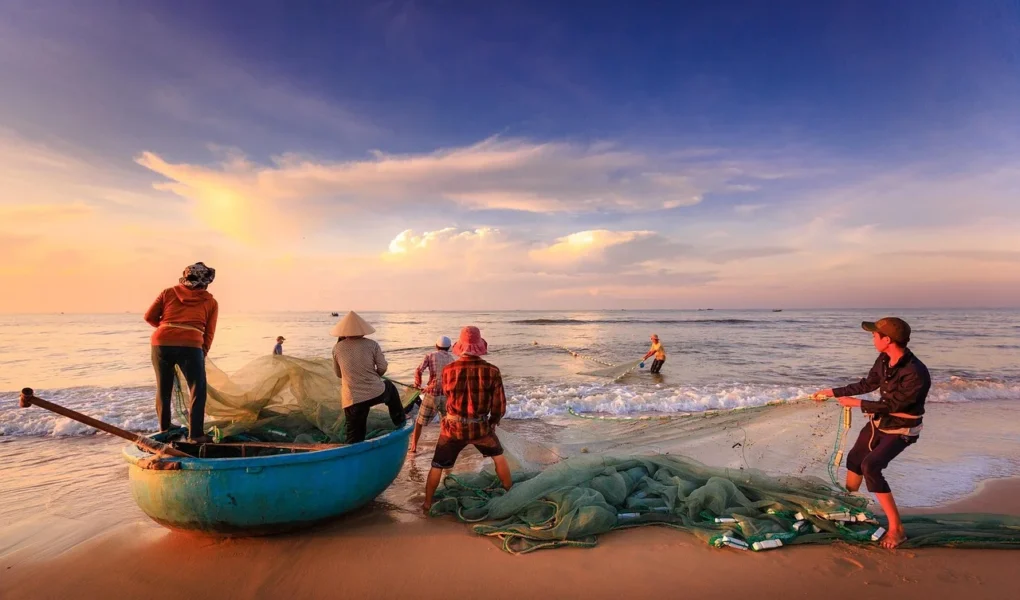
Going beyond resorts isn’t about discomfort or roughing it. It’s about choosing beaches where the rhythm is set by tides and village life, not by entertainment schedules. You’ll notice details that packaged trips smooth over: fishermen mending nets at dawn, a family-run café that closes when the owner needs to pick up a child, or a stretch of sand where your loudest neighbor is a seabird.
For many travelers aged 15–40, this style of trip also fits modern priorities: authenticity, smaller budgets, fewer crowds, and experiences worth sharing because they’re unique—not because they’re expensive.
How to find hidden beaches without risking a bad surprise
“Hidden” should never mean unsafe or disrespectful. The best approach is to research like a responsible guest: confirm access rights, check local conditions, and choose beaches where your presence won’t damage fragile ecosystems or disrupt community routines.
Start with satellite maps and local review platforms, then cross-check with recent posts from hikers, divers, or surfers—people who usually mention currents, road quality, and seasonal issues. If a beach is known for rip tides, cliffs, or sudden weather changes, treat that as a firm warning, not a fun challenge.
- Ask locally: a shop owner or taxi driver can tell you which bays are calm today and which roads are washed out.
- Plan for basics: water, shade, a dry bag, and offline maps often matter more than fancy gear.
- Check etiquette: some beaches are near temples, nesting areas, or private land; follow signage and local guidance.
- Time it right: early mornings and weekdays deliver the “empty beach” feeling without needing extreme detours.
Local stays that keep the trip simple, social, and affordable
Swap a mega-resort for a guesthouse, homestay, or small eco-lodge and you’ll usually gain flexibility: better advice, easier transport tips, and a host who can point you toward the quiet side of the coastline. These stays also tend to place you closer to local food, markets, and everyday life—exactly what makes a beach destination feel real.
Look for places with clear policies, transparent pricing, and recent reviews that mention cleanliness, noise at night, and Wi‑Fi reliability. If you’re working remotely, ask about backup power and mobile coverage before you arrive.
| Stay type | Best for | What to verify |
|---|---|---|
| Family guesthouse | Local tips, home cooking | Quiet hours, bathroom setup |
| Homestay | Culture, language practice | House rules, meal times |
| Eco-lodge | Nature access, low impact | Water use policy, waste handling |
| Hostel by the beach | Meeting people, budgets | Security lockers, noise level |
A good local stay should never feel like you’re “staying for free” in someone’s life. Pay fairly, communicate clearly, and treat the home and neighborhood with the same care you’d want from visitors where you live.
Where to go for exotic beach holidays beyond the resorts
If you want quiet shores, target regions with long coastlines and multiple small communities rather than single-bay resort hubs. Often the most peaceful beaches are one or two towns away from the airport strip, where day-trippers rarely bother going.
Consider island groups with ferries and village roads, volcanic coasts with hidden coves, or peninsulas where the “main beach” is only the first option. You don’t need to chase secrecy; you need variety and a willingness to move a little.
Examples that consistently reward slow travelers include smaller Greek islands beyond the biggest names, Indonesia outside the most saturated beach towns, coastal Portugal away from the headline surf spots, and parts of the Caribbean where guesthouses still outnumber all-inclusive chains. In every case, the same rule applies: choose destinations where local businesses benefit directly from your visit.
Beach days with a lighter footprint and deeper connection
Quiet beaches stay quiet when travelers treat them as living places, not disposable backdrops. That means packing out trash, avoiding single-use plastics, and not taking shells, coral, or sand as souvenirs—removing natural material can be illegal in some regions and harmful almost everywhere.
Keep noise low, respect personal space, and be mindful with photography, especially around children, religious sites, and private homes. If you snorkel, never touch coral; if you hike to reach a cove, stick to paths to prevent erosion. Small choices add up fast in coastal ecosystems.
- Buy food and services locally instead of importing everything from a supermarket chain.
- Choose reef-safe sun protection and apply it well before swimming.
- Use cash when appropriate; some small businesses lose fees on card payments.
- Learn a few basic phrases and the local norms for dress near villages.
These habits don’t make your trip “less fun.” They usually make it more enjoyable, because you’ll be welcomed as someone who’s paying attention.
Faq: planning an off-resort beach escape
Is it cheaper to travel beyond resorts?
Often, yes. Guesthouses, local cafés, and public transport can cost significantly less than all-inclusive packages, especially if you travel in shoulder season and book stays with flexible cancellation policies.
How do I stay safe on quiet, less touristy beaches?
Research currents and weather, swim only where conditions are suitable, and avoid isolated areas after dark. Let someone know your plan, carry water and a charged phone, and follow local warnings—especially about tides and marine life.
How far in advance should I book local stays?
For popular regions, booking 2–6 weeks ahead is a safe middle ground. In peak periods or on small islands with limited rooms, book earlier, but keep at least one flexible night if you want freedom to move.
What’s the best way to find authentic local food near the beach?
Look for small places with short menus, busy lunchtime crowds, and simple specialties. Ask your host what they eat on a normal day; that question usually leads to the best meals and avoids overpriced tourist traps.
Can I combine remote work with a quiet beach trip?
Yes, if you verify connectivity, power stability, and a comfortable workspace. A practical approach is to stay in a small town for weekdays and take day trips to quieter coves, so you get both productivity and that “empty beach” feeling.