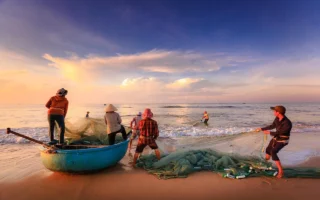

Why “hidden routes” still exist in the tropics
In the age of reels and ranking lists, it’s tempting to think every tropical corner has been mapped, tagged, and monetized. Yet some routes remain quietly underrated because they’re slower, harder to stitch into a one-day itinerary, or simply overshadowed by a famous beach nearby.
Off the beaten path travel isn’t about trespassing or chasing “secret” spots at any cost. It’s about choosing corridors—coastal roads, jungle trails, island hops—where communities still set the rhythm, where nature is the headline, and where you can travel respectfully without turning a place into a backdrop.
Below are 15 hidden routes in the tropics that still feel undiscovered, plus practical ways to approach them with safety, legality, and local respect in mind.
Island-to-island routes that dodge the crowds
Some of the most rewarding tropical travel happens between islands, not just on them. These routes work best when you build in buffer days for weather, ferry schedules, and the simple joy of not rushing.
- Camiguin coastal loop (Philippines) — A compact circuit of volcano views, hot springs, and quiet coves without the Boracay vibe.
- Karimunjawa island-hopping (Indonesia) — Short boat rides between reefs and low-key villages; go for sunrise snorkels and early nights.
- Quirimbas “slow north” (Mozambique) — From Ibo Island outward, the pace is cultural and coastal rather than resort-centric.
- San Blas to mainland crossing (Panama) — A scenic transition from coral islands to forested interior roads, best arranged with licensed operators.
- North Andaman by road and jetty (India) — Less nightlife, more mangroves and long beaches; permits may apply—follow official rules.
If you’re prone to seasickness or tight schedules, pick one island base and do short loops. You’ll still get that “edge-of-the-map” feeling without gambling on connections.
Jungle and highland corridors for cooler air
Tropical heat can be intense, which is why inland routes—especially in highlands—often feel like a cheat code. They’re also where you’ll find small farms, waterfalls, and local markets that don’t revolve around cruise timetables.
6 jungle/highland routes to consider: Costa Rica’s Osa Peninsula backroads (with a 4×4 mindset), Dominica’s Waitukubuli trail segments, Sri Lanka’s Knuckles foothills drives, Malaysia’s Crocker Range crossings in Sabah, Colombia’s Sierra Nevada de Santa Marta foothill villages, and Réunion’s cirques-to-coast hikes (French overseas, but still wild).
| Route | Best for | Time you’ll want |
|---|---|---|
| Osa backroads (Costa Rica) | Wildlife and remote beaches | 3–5 days |
| Knuckles region (Sri Lanka) | Mist, tea country detours | 2–4 days |
| Crocker Range (Sabah) | Mountain passes, villages | 2–3 days |
| Waitukubuli segments (Dominica) | Hiking, hot springs, rainforest | 2–6 days |
On these corridors, the “route” is often the destination. Aim for daylight driving, download offline maps, and treat sudden rain as a schedule change, not a personal challenge to beat.
Coastal drives where the road is the view
Coastal routes can be deceptively empty once you move beyond the top surf towns. You’ll pass fishing harbors, salt flats, and viewpoints that don’t have a “must-see” sign—so they stay peaceful.
Try the East Cape road (Baja California Sur, Mexico) for sea-to-desert contrasts, the Queensland Cassowary Coast detours (Australia) for rainforest-meets-reef, and the Southern Atlantic coast of Martinique by local roads for rugged headlands and quieter beaches.
For something truly low-profile, the Pacific coast between Uvita and Drake Bay (Costa Rica) feels like a sequence of hidden turnoffs—just keep it legal: stick to public access, respect private property, and don’t force your way to “secret” beaches when the path is clearly restricted.
River, lagoon, and mangrove routes for a different tropics
If beaches are the obvious postcard, waterways are the deeper story. Rivers and mangroves change the soundscape—less traffic, more birds, more night skies. They also come with higher responsibility, because ecosystems are fragile and navigation can be risky.
Consider the Rio Dulce to Livingston (Guatemala) for a culture-rich glide, the Backwaters beyond Alleppey (Kerala, India) for slower canals, and the Orinoco Delta edges (Venezuela) only with reputable, licensed guides and up-to-date safety guidance.
One more underrated choice is the Caroni Swamp evening route (Trinidad). Go with operators who follow wildlife rules—no chasing animals, no loud music, no feeding.
How to travel these routes responsibly + FAQ
Hidden routes stay special when visitors act like guests, not collectors. Book local guides where it genuinely improves safety, pay fair prices, and keep expectations realistic: “undiscovered” often means fewer services, not fewer rules.
- Follow access laws: stay on marked trails, respect private land, and check permits for parks and islands.
- Lower your footprint: refill water, pack out trash, avoid single-use plastics, and choose reef-safe practices.
- Support communities: sleep local, eat local, and ask before photographing people or homes.
- Plan for weather: tropical storms can cancel boats and roads—build in buffer days.
Are these routes safe for solo travelers?
Many can be, especially island loops and established highland corridors, but safety depends on season, transport, and local conditions. Use current advisories, travel in daylight, and choose licensed operators for boats and remote treks.
How do I keep places from getting “ruined” by attention?
Don’t geotag sensitive micro-locations, avoid sharing exact directions to fragile sites, and highlight local businesses instead of “secret shortcuts.” The goal is to spread benefits without concentrating impact.
Do I need special gear for tropical hidden routes?
Often just solid footwear, sun and rain protection, offline maps, and a power bank. For jungle and river routes, add insect protection and a dry bag; for remote drives, carry water and basic first-aid.
What’s the best time of year for off the beaten path travel in the tropics?
Shoulder seasons are ideal: fewer crowds and often lower prices, but still manageable weather. Always check local rainy-season patterns, because “wet season” can mean anything from afternoon showers to road-blocking storms.