
Why warm-weather adventure travel hits different
Warm countries make adventure travel feel more immediate: you step off the plane and the air already smells like salt, rain, or volcanic soil. There’s less “waiting for the season” and more time actually moving—hiking before sunrise, swimming at lunch, and eating something spicy while you plan tomorrow.
The best part is variety. In one trip you can shift from jungle canopy walks to black-sand beaches, then finish the week snorkeling over coral gardens. The key is choosing destinations where nature is close, logistics are simple, and you can scale the intensity up or down depending on your fitness and comfort level.
Jungle adventures that feel wild (but doable)
For jungle travel, think in layers: rivers and wetlands, dense interior trails, and the canopy above. Costa Rica, Belize, and parts of Thailand are popular for a reason—good guides, established parks, and wildlife sightings that don’t require extreme expeditions.
Plan around humidity. Early mornings are cooler, animals are more active, and trails are less crowded. If you’re new to jungle trekking, pick routes with clear markings and guided options. You’ll still get the thrill—howler monkeys at dawn count as a real moment—even if you’re back in a hammock by late afternoon.
Simple jungle choices for first-timers
- Guided night walks for insects, frogs, and nocturnal mammals
- River kayaking or gentle rafting to see birds and crocodiles safely
- Canopy bridges and zip lines for big views with minimal strain
- Short waterfall hikes with swimming breaks
Volcano days: big views, smart planning
Volcano travel is all about timing and respect for conditions. Guatemala’s Acatenango is famous for watching neighboring Fuego glow at night, while Indonesia offers classics like Bromo and Rinjani. In Hawaii, you can pair hikes with ocean time, but always check park alerts—volcanic gases and unstable terrain can change plans fast.
Bring layers even in warm countries: summit winds can feel cold, and a light rain shell is often the difference between “epic” and “miserable.” If altitude affects you, choose a shorter volcano trail first and treat the summit as optional rather than mandatory.
Quick comparison of volcano-friendly destinations
| Destination | Typical vibe | Best for | Notes |
|---|---|---|---|
| Guatemala (Acatenango) | Overnight trek, dramatic views | Hikers who want a “wow” night | Cold at camp; book reputable guides |
| Indonesia (Bromo) | Sunrise lookout, easy access | Beginner-friendly volcano scenery | Expect crowds at peak sunrise |
| Hawaii (Big Island) | Lava landscapes, coastal mix | Balanced adventure + comfort | Follow park closures and air-quality updates |
| Cape Verde (Fogo) | Island volcano, quiet trails | Offbeat travelers | Strong sun; bring eye protection |
Reef days: snorkeling, diving, and protecting what you came to see
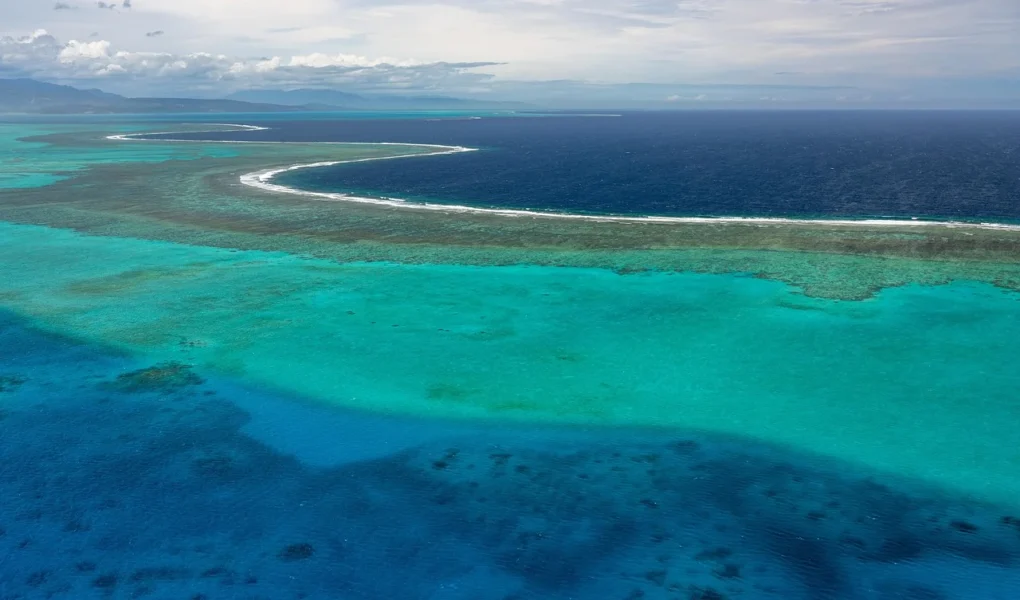
Reef adventures are the easiest “big reward” day in a warm destination. The Red Sea, the Philippines, and parts of Mexico offer clear water and thriving marine life, often within a short boat ride from shore. Even if you don’t dive, a well-chosen snorkel trip can feel like entering another world.
Go with operators that brief safety and reef etiquette. Touching coral, standing on it, or chasing wildlife can damage fragile ecosystems and can be dangerous for you too. Choose reef-safe sunscreen, wear a rash guard, and keep your fins under control—small habits add up.
How to build an itinerary that mixes jungle, volcanoes, and reefs
The trick is pacing. Stack high-effort days too close together and you’ll spend your “rest day” recovering in bed. Instead, alternate: a long hike, then an easy reef day; a jungle trek, then a town evening with good food and early sleep.
Also consider travel time. A destination that looks close on a map can mean slow roads, ferries, or mountain passes. Pick one main hub per region and add day trips rather than changing hotels every night.
A practical packing and safety checklist
- Light rain jacket, sun hat, and quick-dry clothes
- Water purification option and electrolyte tablets
- Snorkel mask that fits well; consider renting fins on-site
- Small first-aid kit and blister care for hikes
- Copies of documents and travel insurance details
Most importantly, match activities to your skill level. Adventure travel should feel challenging in a fun way, not like a constant risk calculation.
Faq
What is the best warm destination if I want all three: jungle, volcanoes, and reefs?
Indonesia is a strong contender because it combines rainforests, multiple volcano regions, and excellent snorkeling and diving. Costa Rica plus a short add-on to Caribbean reef areas can also work well depending on your route.
Do I need to be very fit for volcano hiking?
Not always. Many volcano viewpoints are accessible with moderate hikes or partial transport, but steep summit attempts can be demanding. Choose a route with flexible turnaround points and go with experienced guides when conditions are uncertain.
Is snorkeling safer than scuba diving for beginners?
Snorkeling is generally simpler to start, but it still requires water confidence, proper flotation, and awareness of currents. For either activity, a reputable operator briefing and honest self-assessment matter more than the label.
How can I travel responsibly in sensitive nature areas?
Stay on marked trails, follow wildlife distance rules, and avoid single-use plastics where possible. Use reef-safe sun protection, don’t touch coral, and book local guides and operators with clear environmental practices.