
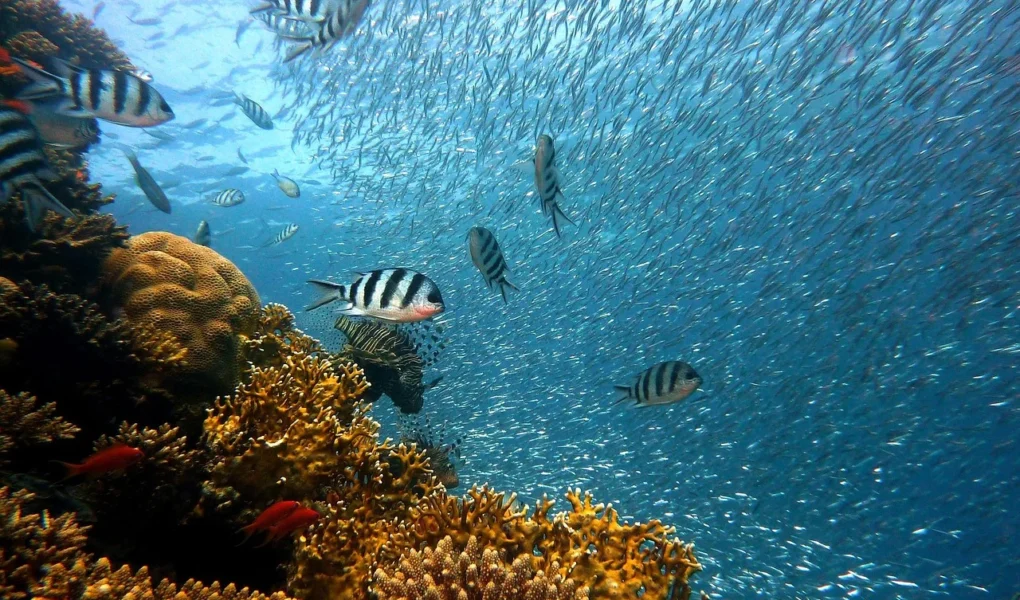
Why tropical “eco” travel needs a reality check
Tropical destinations sell a powerful dream: clear water, palm shade, and wildlife so close it feels staged. But the tropics are also where mass tourism can hit hardest—on coral reefs, limited freshwater supplies, and communities that bear the costs while outsiders collect the profits. That’s why “eco friendly travel destinations in the tropics” can’t just be a keyword. It has to mean measurable, local, and consistent.
Real sustainability looks like protected marine areas that are actually enforced, hotels that treat wastewater before it reaches the sea, and tourism revenue that stays in the community instead of leaking away through foreign-owned supply chains. It also means saying “no” sometimes: limits on visitors, no-touch rules for wildlife, and a slower pace that leaves less damage behind.
If you’re choosing where to go, look beyond green logos. Check who owns the property, whether guides are locally licensed, and if conservation rules apply to everyone—including luxury resorts. The destinations below have built reputations on long-term stewardship, not just beautiful brochures.
How to spot sustainability that isn’t marketing
There’s no perfect destination, but there are reliable signals. The strongest ones are policies that cost money or reduce short-term profit—because they’re harder to fake. Think: capped visitor numbers, mandatory reef-safe practices, and transparent community funds.
- Local benefit: locally owned lodges, local staff in management, and community-run tours.
- Nature-first rules: no anchoring on reefs, wildlife distance guidelines, strict fishing restrictions.
- Low-impact infrastructure: renewable energy, refill stations, wastewater treatment, plastic reduction.
- Accountability: protected areas with rangers, published conservation projects, independent certifications.
Also pay attention to what’s missing. If a resort promotes “saving turtles” but offers jet skis over seagrass beds, that’s a mismatch. If a tour operator refuses to share basic information about permits, group sizes, or waste handling, that’s a red flag.
Costa rica: biodiversity tourism with guardrails
Costa Rica built its modern identity around protected areas, reforestation, and wildlife corridors. National parks, private reserves, and community initiatives work together, and many regions have long experience managing visitors. You’ll find everything from cloud forests to Pacific and Caribbean coastlines, often within a few hours’ travel—useful for reducing internal flights.
For a more sustainable trip, choose operators that limit group sizes and follow clear wildlife viewing rules. In rainforest areas, prioritize night walks led by trained local guides rather than “guaranteed sightings” tours. On the coast, opt for marine trips that avoid chasing dolphins and keep distance from nesting beaches.
One practical bonus: you can design an itinerary that relies on shared shuttles or buses, not daily private transfers. Fewer vehicles means fewer emissions—and less traffic pressure on small towns.
Palau: a small nation enforcing big conservation standards
Palau is often cited in discussions about ocean protection because it has paired its tourism identity with strong policy. The country has advanced marine conservation measures, including large protected zones, and has promoted responsible visitor behavior through formal commitments.
Diving and snorkeling are the main draw, and that’s where rules matter most. Choose dive shops that brief reef etiquette seriously, prohibit touching marine life, and avoid overcrowding sites. The most sustainable experiences here are the ones that accept limits—fewer people in the water, longer surface intervals, and a focus on education rather than adrenaline.
Because Palau is remote, flights are the unavoidable impact. If you’re going, stay longer and travel slower. A two-week trip with thoughtful local spending generally beats a short “bucket list” hop in terms of value delivered per carbon cost.
Bonaire: shore diving with reef protection you can understand
Bonaire has a long-standing reputation among divers for accessibility and conservation. Shore diving reduces boat fuel use, and the island has clear marine park rules that visitors can follow without guesswork. It’s a place where responsible behavior is built into the routine: briefings, designated entry points, and a culture of “look, don’t touch.”
Marine ecosystems are still fragile, so your choices matter. Use refillable water bottles, skip disposable beach gear, and book accommodations that show how they handle wastewater and energy use. Some properties publish their conservation support openly; that transparency is worth rewarding.
| Destination | Best low-impact activities | What to check before booking |
|---|---|---|
| Costa Rica | Park hikes, community wildlife tours, slow travel routes | Guide licensing, group size limits, waste management |
| Palau | Reef-safe diving, cultural tours, protected lagoon visits | Site capacity rules, reef etiquette briefings, permits |
| Bonaire | Shore diving, snorkeling, marine education | Marine park compliance, water/energy practices, reef-safe policies |
If you want a simple personal rule: if a tour or hotel can’t explain its environmental practices in plain language, assume they’re minimal.
FAQ: eco friendly travel destinations in the tropics
Is “eco friendly” travel possible if I have to fly?
Yes, but it’s about trade-offs. Choose fewer trips, stay longer, avoid extra internal flights, and support operators that protect ecosystems and local livelihoods. If you offset, treat it as a last step, not a substitute for reducing emissions.
What’s the easiest way to avoid harming coral reefs?
Don’t touch coral or stand on it, keep fins away from the bottom, and never chase wildlife for photos. Use reef-safe sun protection where required and follow local briefings—especially in marine parks with strict rules.
How do I know if a hotel is truly sustainable?
Look for specifics: refill stations, wastewater treatment, renewable energy, and locally sourced food with fewer imported goods. Ask direct questions about water use and waste, and prefer places that provide clear, consistent answers.
Are volunteer conservation trips in the tropics a good idea?
They can be, but quality varies widely. Choose programs led by credible local organizations, with transparent finances and clear training standards. Avoid experiences that rely on handling wildlife or promise “close contact” as a selling point.